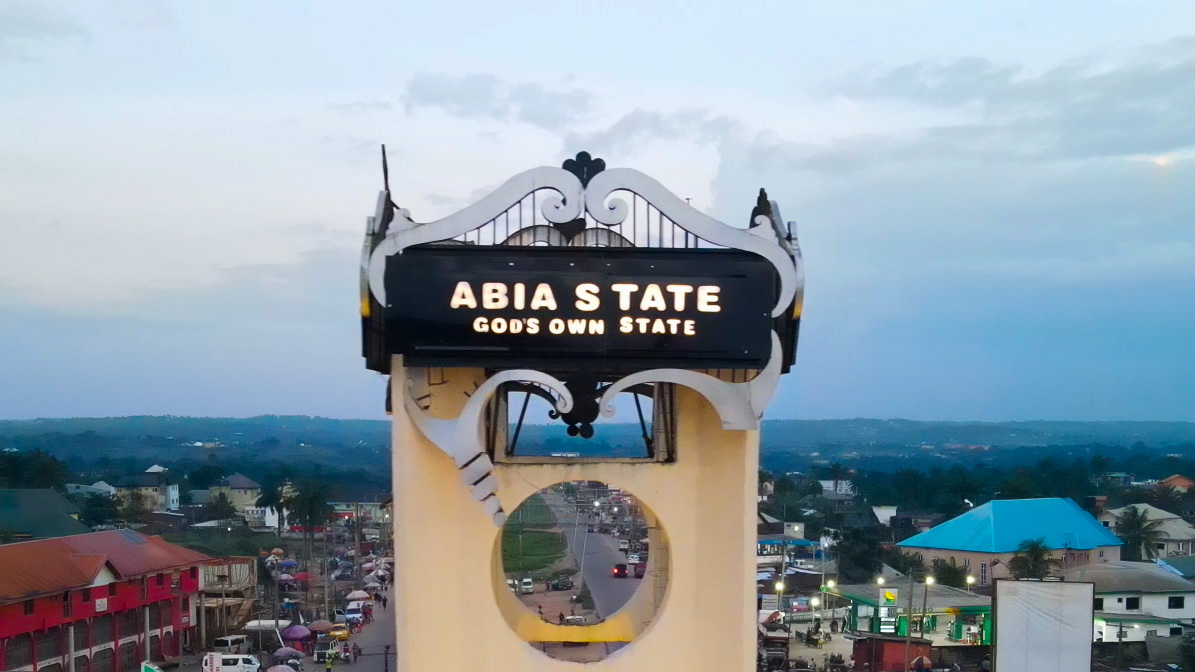
Where to go in Abia
Abia is easy to cross and hard to finish. Start in the capital, follow the road south to Aba, and let the rivers and villages pull you further out.
Plan a heritage tourThe shape of the state
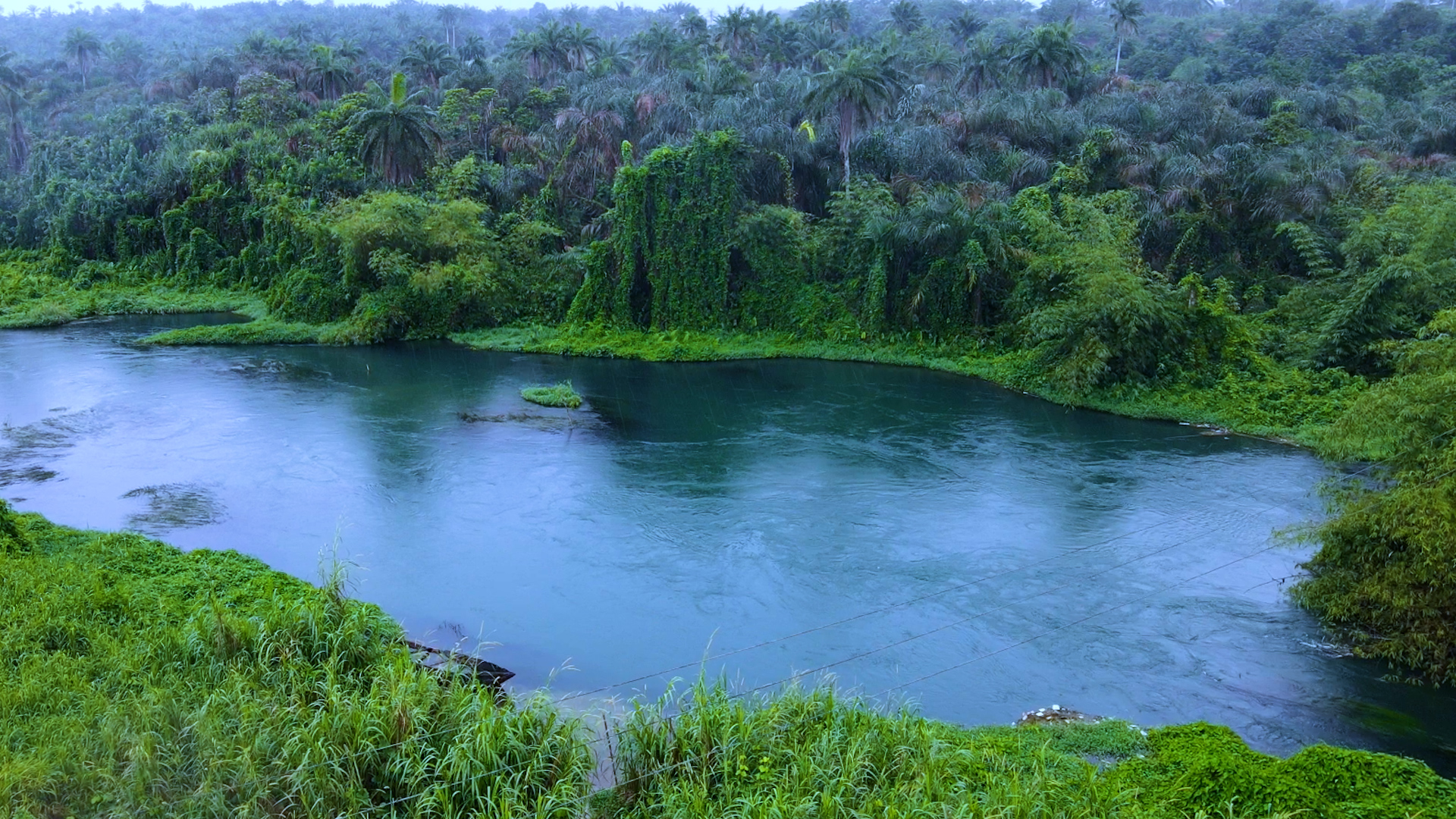
Most visits begin in Umuahia, the capital, or in Aba, the busy trading city about an hour south by road. Between them and around them sit the places this site has photographed: towers and cathedrals, two museums, a university, a river, and a weaving town.
The state has seventeen local governments, and each has its own character. Umuahia and Aba are the two doorways. The older stories live further out, in Arochukwu and Ohafia to the north-east.
Choose by what you enjoy
Every card opens a full guide with photographs.
Churches and architecture
Mater Dei in Umuahia and Christ the King in Aba, two very different skylines.
Learn moreCampus and innovation
Michael Okpara University of Agriculture and Nigeria’s first Manu-Tech UniPod.
Learn moreThe old oracle town
Arochukwu was the heart of the Aro, whose oracle, Ibini Ukpabi, drew people from across Igboland. British officers called it the Long Juju. Nigeria has placed the cave-temple and slave-route complex on its UNESCO tentative list. Visits are arranged through the custodians, and recent visitors describe rough roads, so go with a local guide.
Home of the war dance
Ohafia is known for its war dance, which keeps alive the memory of a community whose history was shaped by warriors. The villages celebrate Iri Ji, the new yam festival, usually in September, with masquerades, drumming, and dance. Ask a local host for this year’s dates before you plan around them.
Ready to plan?
Our heritage tours page lays out four day routes you can borrow, and the visitor FAQ covers how to get here and when to come.