About Abiaarise
A home for the story of Abia — God's Own State — told through its cloth, its rivers, its markets, and the people who still carry the old names.
Walk the heritage sitesA state named from the places that made it
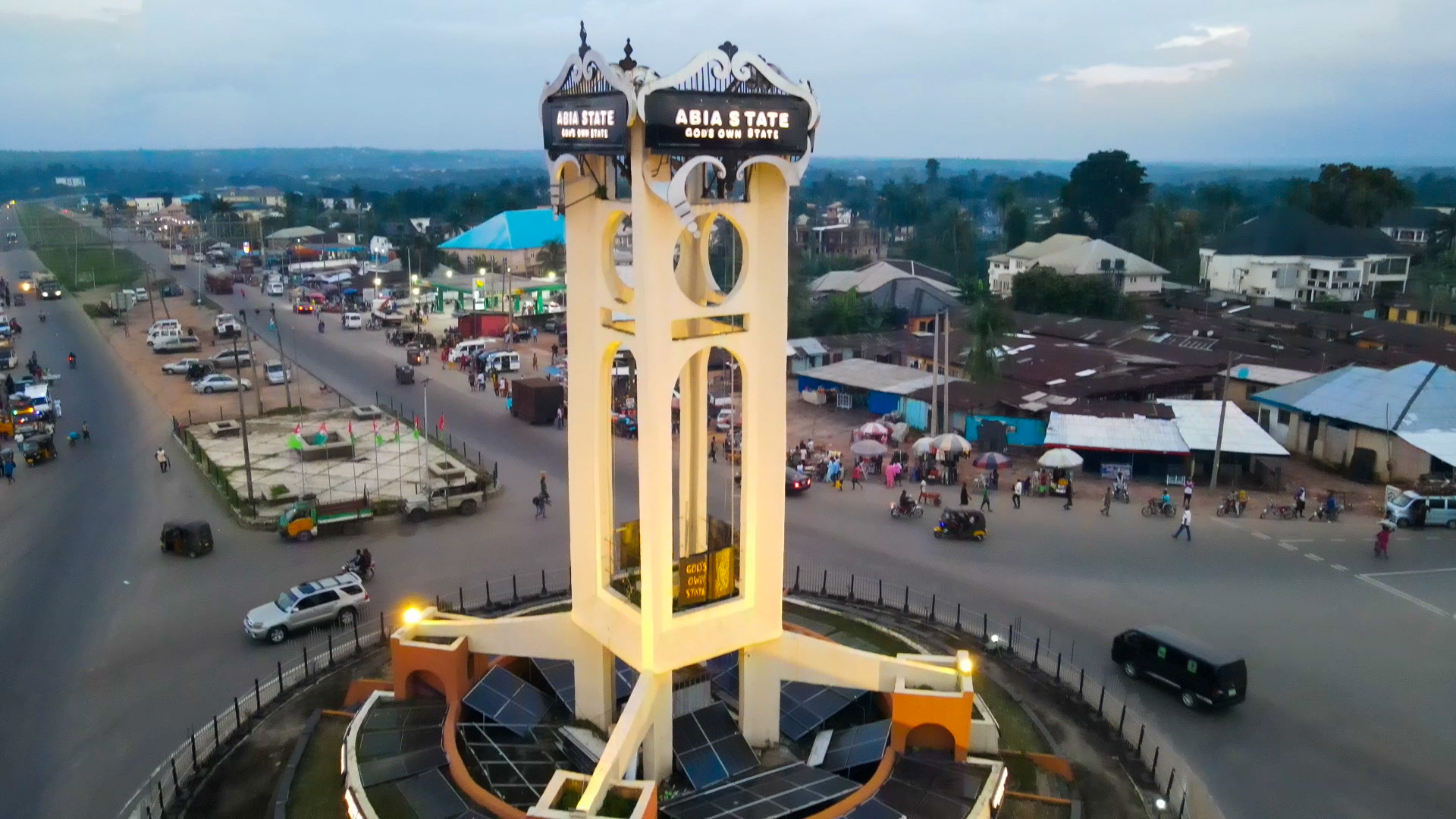
Abia was created on 27 August 1991, carved from the eastern half of old Imo. The name itself is a map: Aba, Bende, Isuikwuato, and Afikpo. Afikpo later joined Ebonyi, but the name stayed — and so did the boast Abians answer to. God's Own State.
Umuahia is the capital, set among hills and the memory of the civil war. Aba is the commercial heart, where leather, garments, and spare parts leave Ariaria and Enyimba for the rest of West Africa. Between them sit seventeen local government areas of farm, shrine, river, and workshop.
Abia at a glance
The facts visitors ask for first — and the ones families still teach at home.
27 August 1991
The day Abia became a state, drawn from the old Imo east.
17 local governments
From Ukwa on the river to Isuikwuato in the hills, every LGA has a distinct story.
Learn moreUmuahia & Aba
One city governs. The other makes. Together they set the rhythm of the state.
Learn moreHeritage you can still walk
These are not footnotes. They are the reasons a visit to Abia feels like arriving somewhere specific.
Long Juju of Arochukwu
Ibini Ukpabi, the oracle that once drew petitioners across Igboland. The shrine route is still the state's deepest historical walk.
Learn moreAkwete cloth
Woven by Ndoki women in Ukwa East. Each cloth carries a name, a proverb, and a loom rhythm older than the state.
Learn moreAzumini Blue River
Clear water in Ukwa East, used for swimming, picnics, and the photographs people send home.
Learn moreNational War Museum
Umuahia holds the civil-war galleries and the Ojukwu bunker — a necessary stop before the festivals and the markets.
Learn moreOhafia war dance
The warrior display of Ohafia, still performed when a community wants to remember courage out loud.
Learn moreMade in Aba
Shoes, clothes, and machines from workshops that taught a generation that enterprise is a kind of heritage too.
Learn moreThe capital with a long memory
Government House sits above a city that also keeps the war museum, the bunker, and the roads that lead out to Bende, Ohafia, and Arochukwu. It is the right place to begin a heritage itinerary, and the right place to bring people home for a festival.
Why AbiaArise exists
The state already has the sites, the cloth, the river, and the market. What it lacked was one front door. AbiaArise is that door for residents, for the diaspora, and for anyone planning a first visit.
Membership is free. It opens guides, events, and a record of the places that should not have to be explained from scratch every time someone asks, “What is Abia?”
“A people who remember their cloth, their river, and their market will never be poor in story.”